Emergency Loans in Kenya Without CRB Stress
 TIMEBUCKS
Low minimum
payout of just
$3 — start
earning today!
When financial emergencies strike, the last thing you need is CRB (Credit Reference Bureau) complications blocking your access to quick cash.
Whether it’s a medical bill, school fees, or an urgent business expense, many Kenyans find themselves locked out of traditional lending because of past credit challenges.

The good news? Several legitimate options exist for emergency loans in Kenya that don’t heavily penalize CRB listings, and understanding these alternatives can be your financial lifeline when you need it most.
This guide explores practical, safe ways to access emergency loans in Kenya even with CRB concerns.
You’ll discover which lenders are more flexible, how to improve your approval chances, what fees to watch for, and most importantly, how to borrow responsibly to avoid deepening financial stress.
Whether your CRB status is fair, poor, or you’re simply worried about rejection, these insights will help you navigate Kenya’s lending landscape with confidence and make informed decisions that protect your financial future.
Emergency Loans Without CRB Stress
Can you get emergency loans in Kenya with CRB issues? Yes. While a negative CRB listing makes borrowing harder, several lenders focus on current repayment ability rather than past credit history. Mobile loan apps, saccos, digital lenders, and alternative financing options exist specifically for Kenyans facing CRB challenges.
Key points to remember:
- CRB listings don’t automatically disqualify you from all loans
- Some lenders use alternative credit scoring methods
- Your M-Pesa transaction history can serve as creditworthiness proof
- Interest rates may be higher for CRB-challenged borrowers
- Responsible borrowing is crucial to avoid worsening your situation
Understanding CRB and Why It Affects Emergency Loans
The Credit Reference Bureau maintains records of your borrowing history in Kenya. Banks, digital lenders, and financial institutions report your loan performance to CRBs like Metropol and TransUnion.
What triggers a negative CRB listing:
- Loan defaults or late payments beyond 30 days
- Unpaid mobile loan app debts
- Bounced cheques
- Unpaid utility bills reported to CRB
- Court judgments for debt
A poor CRB score doesn’t mean you’re financially irresponsible forever. Life happens. Job loss, medical emergencies, or business setbacks can derail even the most careful financial plans.
The challenge is that traditional banks rely heavily on CRB scores for loan approval. A negative listing can lock you out of bank loans for years, creating a cycle where you can’t access credit to rebuild your financial standing.
Important to know: You have the right to access your CRB report for free once per year. Contact Metropol or TransUnion directly to check your status and dispute any errors.
Emergency Loan Options That Consider More Than Your CRB
1. Mobile Loan Apps with Flexible CRB Requirements
Several digital lenders in Kenya use alternative credit scoring that looks beyond CRB listings.
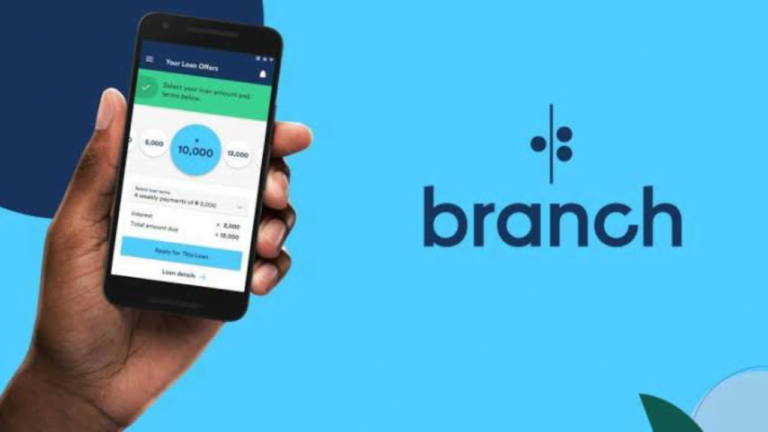
Branch Branch analyzes your smartphone data, M-Pesa transactions, and app usage patterns to assess creditworthiness. Even with a CRB listing, you may qualify if your recent financial behavior shows responsibility.
- Loan amounts: KES 250 to KES 70,000
- Repayment period: 4 weeks to 12 months
- Interest rates: From 15% per month (high but transparent)
- Approval time: Minutes
Tala: Tala uses machine learning to evaluate over 10,000 data points from your phone, including airtime purchases, bill payments, and social connections.
- Loan amounts: KES 1,000 to KES 30,000
- Repayment terms: Flexible, up to 21 days initially
- No collateral required
- Builds your credit score with successful repayment
Zenka Zenka offers instant loans and focuses on your current financial situation rather than historical credit problems.
- Quick disbursement to M-Pesa
- Loan amounts up to KES 30,000 for repeat borrowers
- Transparent fee structure
- No hidden charges
Warning: While these apps may approve loans despite CRB issues, they report to CRB. Missing payments will worsen your credit situation. Only borrow what you can repay.
2. Saccos and Chamas (Member-Based Lending)
Savings and Credit Cooperatives (Saccos) and chamas operate differently from commercial lenders. They prioritize member relationships over CRB scores.
Why Saccos work for CRB-challenged borrowers:
- Decision based on savings history and member guarantors
- Lower interest rates (typically 12-15% annually)
- Flexible repayment terms
- Community accountability reduces default risk
How to access Sacco emergency loans:
- Join a Sacco in your industry, location, or community
- Build savings for 3-6 months (some allow immediate borrowing)
- Apply for emergency loans up to 3x your savings
- Get member guarantors to co-sign
Popular Saccos for emergency loans:
- Stima Sacco
- Mwalimu National Sacco
- Kenya Police Sacco
- Harambee Sacco
Chamas work similarly but on a smaller, informal scale. Your trusted circle of friends or colleagues can create a chama specifically for emergency lending among members.
3. Logbook Loans (Asset-Backed Lending)
If you own a vehicle, logbook loans provide emergency cash without heavy CRB emphasis. The vehicle serves as collateral, reducing the lender’s risk.
How logbook loans work:
- You retain and use your vehicle
- Lender holds the logbook until full repayment
- Loan amounts typically 50-70% of vehicle value
- Repayment period: 1 month to 12 months
Reputable logbook loan providers:
- Pezesha
- Blacklist Loans Kenya
- Cash Poa
Critical warnings:
- Interest rates can be high (20-30% monthly in some cases)
- Read all terms carefully before signing
- Failure to repay means losing your vehicle
- Ensure the lender is licensed by the Central Bank of Kenya
4. Salary Advance Apps and Check-Off Loans
If you’re formally employed, your salary provides security for lenders even with CRB challenges.
Check-off loans are deducted directly from your salary. Employers partner with lenders to offer these emergency loans to staff.
Benefits:
- Approval based on employment, not CRB alone
- Automatic repayment reduces default risk
- Lower interest rates than mobile apps
- Loan amounts up to 3x monthly salary
Digital salary advance platforms:
Saida Offers instant salary advances to employees whose companies are registered on the platform.
Jenga Provides affordable salary advances with repayment deducted at month-end.
Contact your HR department to see which salary advance options your employer supports.
5. M-Pesa Emergency Loans (Fuliza and M-Shwari)
Safaricom’s lending products consider your M-Pesa transaction history more than traditional CRB scores.
Fuliza Overdraft Allows you to complete M-Pesa transactions even with zero balance. The overdraft is repaid automatically when money enters your M-Pesa.
- Limits: Up to KES 100,000 (based on M-Pesa usage)
- Daily facility fee: 1.083% on accessed amount
- One-time access fee: KES 5-30
- No loan application needed
M-Shwari Emergency Loan Instant loans for M-Pesa users with good transaction history.
- Loan amounts: Up to KES 50,000
- 30-day repayment period
- 9% loan facilitation fee
- Immediate disbursement
KCB M-Pesa Similar to M-Shwari but with KCB Bank backing.
- Potentially higher limits for active users
- Competitive interest rates
- Builds your formal banking relationship
Key advantage: These products are already on your phone. No lengthy applications, no branch visits, no paperwork.
Read also: Best Loan Apps in Kenya Without CRB Check
Comparison Table: Emergency Loan Options
| Loan Type | Speed | CRB Impact | Interest Rate | Best For |
|---|---|---|---|---|
| Mobile Apps (Branch, Tala) | Minutes | Alternative scoring used | 15-20% monthly | Quick small amounts |
| Saccos | 1-3 days | Minimal CRB weight | 12-15% annually | Members with savings |
| Logbook Loans | 1-2 days | Asset-based, CRB flexible | 20-30% monthly | Vehicle owners |
| Check-off Loans | 2-5 days | Employment-based | 10-18% annually | Salaried employees |
| Fuliza/M-Shwari | Instant | M-Pesa history matters | 9% + fees | M-Pesa active users |
How to Increase Approval Chances Despite CRB Issues
Even with CRB challenges, you can improve your emergency loan approval odds.
Build Alternative Credit History
Strengthen your M-Pesa profile:
- Maintain consistent transactions (payments, transfers, deposits)
- Pay utility bills through M-Pesa
- Use Lipa na M-Pesa for purchases
- Keep active Fuliza usage with timely repayment
Use buy now, pay later services responsibly: Platforms like Lipa Later and Aspira allow installment purchases. Successful repayment builds alternative credit scores that some lenders recognize.
Start Small and Build Trust
Don’t apply for maximum amounts immediately.
Smart borrowing strategy:
- Take a small emergency loan you can easily repay
- Repay on time or early
- Wait 2-4 weeks
- Apply for slightly higher amounts
- Repeat the cycle
This approach demonstrates reliability and gradually increases your limits.
Provide Additional Security
Offering collateral or guarantors reduces lender risk and increases approval chances.
Acceptable security options:
- Logbook for vehicle owners
- Guarantors (for Sacco loans)
- Land title (for larger amounts)
- Salary check-off authorization
Clear Outstanding Small Debts
If you have small mobile loan debts creating CRB issues, clearing them can quickly improve your status.
Debt clearance strategy:
- List all outstanding mobile loans
- Negotiate payment plans with lenders
- Pay off smallest debts first (snowball method)
- Request CRB update confirmation after payment
Many lenders will work with you on repayment plans. Ignoring debt worsens your situation; communication opens doors.
Join Multiple Lending Platforms
Don’t rely on one lender. Diversify your emergency loan options.
Register with:
- 3-4 mobile loan apps
- At least one Sacco
- M-Pesa lending products
- Your employer’s salary advance program
Each platform has different criteria. What one rejects, another might approve.
Hidden Fees and Red Flags to Watch
Emergency situations make us vulnerable to predatory lenders. Protect yourself by recognizing warning signs.
Common Hidden Fees
Legitimate fees to expect:
- Loan processing fee (usually 5-10%)
- Excise duty (20% on interest charged)
- Late payment penalties
- Insurance fees (for larger loans)
Red flags indicating potential scams:
- Upfront fees before loan disbursement
- Pressure to pay “registration” or “activation” charges
- Promises of guaranteed approval for a fee
- Requests for M-Pesa PIN or OTP codes
- Unlicensed lenders demanding payment to personal accounts
Calculate total cost before accepting:
Example: KES 10,000 loan from a mobile app
- Principal: KES 10,000
- Interest (15%): KES 1,500
- Facilitation fee (9%): KES 900
- Excise duty (20% of interest): KES 300
- Total repayment: KES 12,700
Always know exactly how much you’ll repay. If the lender can’t provide clear figures, walk away.
Avoiding Loan App Harassment
Some digital lenders use aggressive collection tactics that violate Kenya’s Data Protection Act.
Your rights as a borrower:
- Lenders cannot access your contacts without consent
- Harassment of family, friends, or employers is illegal
- Threats and public shaming violate data protection laws
- You can report violations to the Data Protection Commissioner
Protect yourself:
- Read app permissions carefully before installation
- Don’t grant access to contacts if possible
- Use separate phone number for loan apps
- Report abusive collection practices immediately
Read also: FlashPesa Loan App Kenya — Mobile Loans up to KES 80,000
Safe Borrowing Practices for Emergency Loans
Emergency loans solve immediate problems but create future obligations. Borrow responsibly to avoid a debt spiral.
The 24-Hour Rule
Never accept a loan immediately when stressed or panicked.
Apply this rule:
- Identify the emergency and exact amount needed
- Research loan options (take at least 24 hours)
- Compare total repayment costs
- Create a repayment plan before borrowing
- Sleep on the decision
- Proceed only if confident about repayment
This cooling-off period prevents desperate decisions that worsen financial stress.
Borrow Only What You Need
Lenders may offer more than you requested. Resist the temptation.
If you need KES 5,000:
- Don’t accept KES 15,000 just because it’s approved
- Higher loans mean higher interest and fees
- More debt increases default risk
- Excess money often gets spent unnecessarily
Discipline protects your future financial health.
Have a Repayment Plan
Before taking the loan, know exactly how you’ll repay it.
Create a written plan:
- Repayment amount: ___________
- Repayment date: ___________
- Income source for repayment: ___________
- Backup plan if income delays: ___________
Set M-Pesa reminders for repayment dates. Treat loan repayment as your top financial priority.
Avoid the Rolling Debt Trap
Taking a new loan to repay an old one creates a dangerous cycle.
Warning signs you’re in a debt trap:
- Borrowing from multiple apps simultaneously
- Using new loans to cover old loan repayments
- Maximum limits reached on all platforms
- Constant loan app notifications
- Avoiding calls from lenders
If you’re in this situation:
- Stop borrowing immediately
- List all debts and total owed
- Contact lenders to negotiate payment plans
- Seek help from financial counselors or debt advisors
- Consider consolidation options
Organizations like Kenya Financial Education Centre offer free guidance.
Read also: Koro Loan App Kenya — Fast Mobile Loans Up to KES 200,000
Legal and Consumer Protection in Kenya
You have rights as a borrower. Understanding regulations protects you from exploitation.
Central Bank of Kenya Regulations
All legitimate lenders must comply with CBK guidelines.
Key protections:
- Interest rate caps (though currently suspended for digital lenders)
- Transparent fee disclosure requirements
- Licensed operation mandatory
- Consumer complaint mechanisms
Verify lender legitimacy:
- Check CBK’s list of licensed lenders on their website
- Confirm physical office address
- Read online reviews from multiple sources
- Avoid lenders operating only through social media
Your CRB Rights
You can:
- Access your credit report free once yearly
- Dispute incorrect information
- Request corrections to errors
- Understand how your score is calculated
- Demand privacy of your financial data
CRB removal timeline:
- Negative listings remain for 5 years from last activity
- Cleared debts should be updated to “paid” status
- Active disputes must be noted on report
Contact CRB directly if you notice errors. Don’t pay “fixers” who promise quick CRB clearance—many are scams.
Reporting Predatory Lenders
If a lender violates your rights:
Report to:
- Central Bank of Kenya (for licensed lenders)
- Data Protection Commissioner (for privacy violations)
- Kenya Financial Education Centre
- Consumer Federation of Kenya (COFEK)
Document all communications, loan agreements, and evidence of violations.
Alternatives to Emergency Loans
Sometimes the best “loan” is avoiding one altogether.
Build an Emergency Fund
Even KES 500 monthly saved creates a cushion for small emergencies.
Quick-start emergency fund:
- Open M-Shwari or KCB M-Pesa savings (locked savings option)
- Set automatic transfers after salary
- Target 1 month’s expenses initially
- Gradually build to 3-6 months
Side Hustles for Quick Cash
Emergency income can solve problems without debt.
Quick cash ideas:
- Sell unused items online (Jiji, Facebook Marketplace)
- Offer freelance services (writing, design, errands)
- Take temporary gigs (delivery, events, casual labor)
- Provide tutoring or consulting in your expertise
- Utilize skills for weekend work
Ask Family or Friends
Borrowing from trusted people often comes with better terms than formal lenders.
Make it professional:
- Specify exact amount and repayment date
- Write a simple agreement
- Honor your commitment strictly
- Maintain the relationship by communicating openly
Negotiate Payment Plans
For medical bills, school fees, or service payments, providers often allow installments.
Most businesses will negotiate if:
- You communicate proactively
- You’re honest about your situation
- You propose a realistic payment schedule
- You make the first payment immediately
This avoids loan interest entirely while solving the emergency.
Frequently Asked Questions (FAQs)
Can I get a loan if I’m blacklisted by CRB?
Yes, but options are limited. Mobile apps using alternative scoring, Saccos with guarantors, and asset-backed loans (logbook) are more accessible. However, “blacklisted” is informal—CRB maintains numerical scores, not blacklists. Clearing old debts and building new positive credit history gradually improves access.
How quickly can I get emergency loan approval in Kenya?
Digital platforms like Branch, Tala, Fuliza, and M-Shwari approve loans within minutes. Saccos take 1-3 days, logbook loans need 1-2 days, and bank loans may require a week. For true emergencies, mobile loans and M-Pesa products are fastest.
What’s the maximum loan I can get without CRB checking?
This varies by lender and your profile. Mobile apps start at KES 500-2,000 for first-time borrowers, increasing to KES 30,000-70,000 for trusted users. Logbook loans can reach several hundred thousand shillings depending on vehicle value. Saccos offer up to 3x your savings without heavy CRB emphasis.
Do mobile loan apps report to CRB?
Yes, most mobile loan apps report to CRB. Successful repayment improves your score; defaults damage it further. This is actually beneficial if you repay on time—you’re building formal credit history that future lenders recognize.
How can I clear my CRB listing?
Pay all outstanding debts in full, then request confirmation from the lender. The lender should update CRB within 30 days, changing status from “defaulted” to “paid.” Negative listings remain on record for 5 years but show as resolved. You cannot legally “delete” accurate negative information, only resolve it.
Are there completely free emergency loans in Kenya?
No legitimate loan is completely free. All lenders charge interest or fees to cover operational costs and risk. Beware of “zero interest” scams that hide fees elsewhere. However, borrowing from family/friends without interest, employer salary advances, or emergency funds from your Sacco may have minimal or no interest.
What happens if I can’t repay my emergency loan on time?
Contact your lender immediately. Many offer extensions or restructuring. Ignoring the debt leads to penalties, CRB reporting, potential legal action, and harassment. Proactive communication often results in manageable solutions. For multiple debts, seek help from financial counselors.
Can I have multiple emergency loans at once?
Technically yes, but it’s financially dangerous. Multiple loans compound interest costs and increase default risk. Each loan reduces your capacity to repay others, creating a debt trap. Only take multiple loans if you have guaranteed repayment sources for all.
How do I avoid loan app scams?
Verify the lender is licensed through CBK website. Never pay upfront fees before receiving money. Read reviews on Google Play Store. Avoid lenders requesting your M-Pesa PIN or OTP. Check for physical office addresses and customer service contacts. If something feels wrong, trust your instincts and walk away.
Will taking an emergency loan affect my ability to get a mortgage later?
Not necessarily. If you repay emergency loans successfully, they actually improve your CRB score and demonstrate creditworthiness to mortgage lenders. Problems arise only if you default or carry too much existing debt when applying for the mortgage. Manage emergency loans responsibly to keep future borrowing options open.
Conclusion: Borrow Smart, Stay Safe
Emergency loans in Kenya without CRB stress are accessible if you know where to look and how to borrow responsibly. Whether through mobile apps using alternative credit scoring, member-based Saccos, M-Pesa lending products, or asset-backed options, legitimate pathways exist even with past credit challenges.
The key to financial safety is understanding total costs, reading all terms carefully, and borrowing only what you can realistically repay. Your CRB status can improve over time with responsible borrowing behavior, opening doors to better rates and larger amounts when needed.
Remember: emergency loans solve immediate problems but create future obligations. Build emergency savings when possible, explore income alternatives, and treat borrowing as a last resort rather than first option.
When you do need emergency funds, choose licensed lenders, protect your personal information, know your rights, and never let desperation push you toward scams or predatory practices. Your financial dignity and future matter more than any short-term cash need.
Stay informed, borrow responsibly, and take control of your financial future starting today.
Disclaimer: This article provides general information and should not be considered professional financial advice. Loan terms, interest rates, and lender policies change frequently. Always verify current terms directly with lenders before borrowing. Consult a licensed financial advisor for personalized guidance on your specific situation.
Read also:
- Best Loan Apps in Kenya (Tested & Ranked)
- Bank Loans vs Mobile Loans in Kenya: Complete Comparison Guide
- Online Bank Loan Applications in Kenya: Complete Guide
- How to Improve Chances of Getting a Bank Loan in Kenya
TIMEBUCKS
Low minimum
payout of just
$3 — start
earning today!