
How to Start a Butcher Business in Kenya: Complete 2026 Guide to Profitable Meat Retail
 TIMEBUCKS
Low minimum
payout of just
$3 — start
earning today!
Starting a butcher business in Kenya is one of the most lucrative offline food ventures you can launch in 2026, combining consistent demand with attractive profit margins.
Meat consumption across Kenya continues rising as incomes grow and urbanization expands, creating opportunities for well-positioned butcheries in both cities and rural trading centers.

Whether you’re planning a small neighborhood butcher shop or a larger commercial operation, understanding how to start a butcher business in Kenya requires knowledge of meat sourcing, hygiene standards, licensing requirements, and customer preferences.
This comprehensive guide covers everything from butcher shop startup cost to daily operations, helping you build a successful meat business Kenya that serves your community while generating substantial income.

Overview of the Business Opportunity in Kenya
A butcher business involves purchasing livestock or carcasses, processing the meat, and selling it retail to individual customers, restaurants, hotels, and institutions. This food retail business operates on the principle of buying in bulk at wholesale prices and selling in smaller quantities at retail margins.
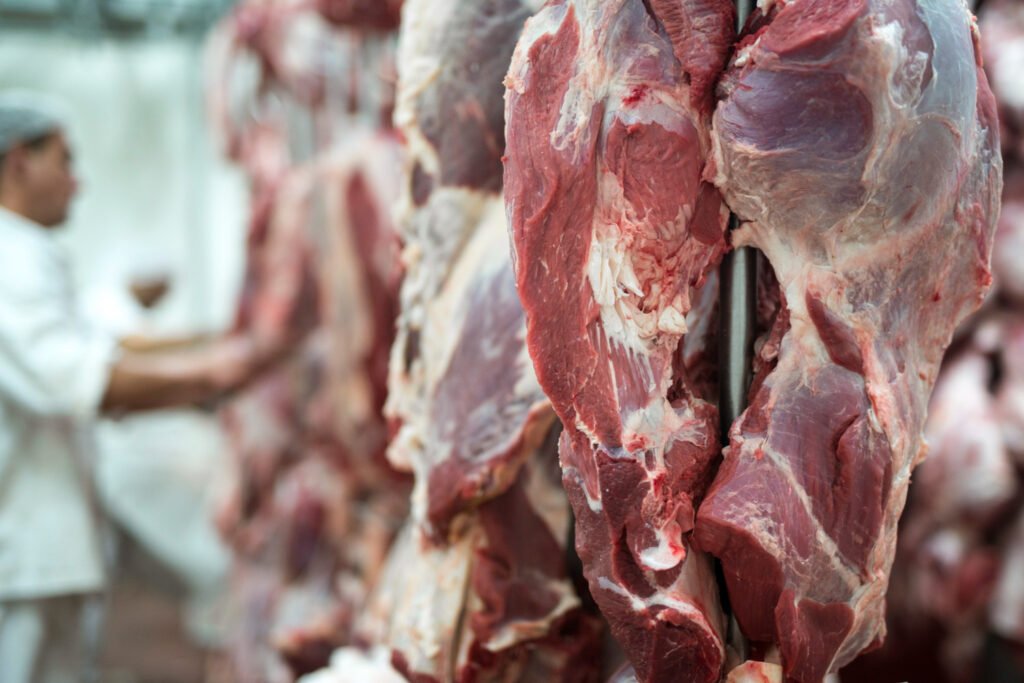
In Kenya, butcheries sell various meats including beef, goat, mutton, chicken, and pork depending on regional preferences and religious considerations. Prices range from KES 400-700 per kilogram for beef and goat meat, with profit margins typically between 15-30% when managed efficiently.
The demand for butcher businesses remains robust in 2026 because:
- Kenya’s growing middle class consumes more protein, increasing meat demand
- Urban populations prefer convenient neighborhood butcheries over slaughterhouses
- Restaurants, hotels, and institutions require reliable daily meat suppliers
- Quality-conscious customers seek clean, hygienic butcheries over informal vendors
- Cultural celebrations, weddings, and religious festivals create regular bulk orders
- Nyama choma (grilled meat) culture sustains consistent weekend demand
Why This Business is Profitable in Kenya
The meat business Kenya sector offers substantial profit potential when operations are managed professionally.

Strong Local Demand
Meat is a staple protein source across Kenyan households. Unlike luxury items, meat consumption remains steady even during economic downturns as people adjust quantities rather than eliminating it entirely. Weekend demand, especially for nyama choma, creates predictable sales spikes.
Target Customers
Your primary customers include:
 TIMEBUCKS
Low minimum
payout of just
$3 — start
earning today!
- Households buying daily or weekly meat for cooking
- Restaurants and hotels requiring consistent quality supplies
- Nyama choma joints purchasing wholesale for weekend operations
- Corporate cafeterias and institutional kitchens
- Event organizers for weddings, parties, and celebrations
- Churches and mosques buying bulk meat for community events
- Schools and hospitals with regular catering needs
- Individual customers buying premium cuts for special occasions
Urban vs Rural Performance
Urban butcheries in Nairobi, Mombasa, Kisumu, Nakuru, and Eldoret benefit from dense populations, higher purchasing power, and proximity to slaughterhouses reducing transport costs. Competition is intense but volumes support multiple operators.
Rural butcheries in market towns and trading centers face less competition and enjoy strong demand during market days when farmers sell crops and have cash. However, customer bases are smaller, and refrigeration challenges are greater without reliable electricity.
Step-by-Step Guide on How to Start
Step 1 – Market Research and Location Selection
Before investing in butcher shop ideas, conduct thorough market research to identify viable locations:
Assess Local Demand
Visit potential areas during different times observing:
- Existing butcheries and their customer traffic
- Population density and income levels
- Proximity to residential estates versus commercial areas
- Religious composition (areas with large Muslim populations have specific halal requirements)
- Competition intensity and service gaps
Choose a Strategic Location
Ideal butcher shop locations include:
- Residential estates with high population density
- Near busy markets where shoppers buy multiple items
- Along main roads with good visibility and foot traffic
- Close to restaurants, hotels, and nyama choma joints
- Trading centers with scheduled market days
- Near matatu stages where commuters shop on their way home
Avoid locations:
- Too close to existing successful butcheries (unless market is underserved)
- Far from slaughterhouses without good transport (increases costs)
- Areas without reliable electricity for refrigeration
- Locations with difficult access for delivery trucks
Understand Regional Preferences
Different regions prefer specific meats:
- Central Kenya: Goat and beef
- Coast: Beef, chicken, and seafood (less pork due to Muslim population)
- Western Kenya: Beef, goat, and chicken
- Nairobi: All meats including pork
Research local preferences and religious considerations before deciding your meat selection.
Identify Suppliers
Locate reliable meat sources:
- Municipal or county slaughterhouses
- Private abattoirs with veterinary inspection
- Livestock markets where you can buy and slaughter
- Licensed meat wholesalers and distributors
- Farmers selling directly (ensure proper slaughter and inspection)
Visit suppliers early morning (4:00-7:00 AM) when meat is freshest and observe their hygiene standards, pricing, and reliability.
Step 2 – Licenses, Permits, and Legal Requirements in Kenya
Operating legally is critical for meat business Kenya due to strict health regulations:
Business Registration
Register your business name with the Business Registration Service (BRS). Cost: KES 1,500-10,000 depending on structure (sole proprietorship to limited company). Processing takes 7-14 days.
Single Business Permit
Obtain from your county government. Annual fees range from KES 10,000-40,000 depending on location and business size. Nairobi and Mombasa charge premium rates.
Public Health License
The County Public Health Department inspects your premises and issues a license confirming hygiene compliance. This is mandatory and strictly enforced. Cost: KES 5,000-15,000 annually.
Meat Inspection Certificate
All meat sold must have veterinary inspection stamps proving it came from approved slaughterhouses. You don’t obtain this license—rather, you must only buy inspected meat bearing official stamps.
Food Handlers Certificates
All staff handling meat must have valid food handlers certificates from the Public Health Department. Involves medical examination and training. Cost: KES 1,000-2,000 per person annually.
Fire Safety Certificate
Required by some counties. Fire department inspects premises for safety compliance. Cost: KES 2,000-5,000.
NEMA Certificate (if applicable)
Larger butcheries may need National Environment Management Authority approval for waste disposal plans. Small operations are often exempt.
KRA PIN and Tax Compliance
Register for KRA PIN (free) and maintain tax compliance. You’ll charge VAT (16%) if turnover exceeds KES 5 million annually.
Total licensing costs: KES 20,000-75,000 initially, with annual renewals at similar rates. Budget 4-8 weeks for complete licensing process.
Step 3 – Equipment, Tools, or Supplies Needed
A professional food retail business focused on meat requires specific equipment:
Refrigeration Equipment
Essential (Cold Chain Maintenance):
- Walk-in cold room or large chest freezers (KES 80,000-300,000 depending on size)
- Display refrigerator with glass front for showcasing meat (KES 40,000-120,000)
- Backup power generator or solar panels for power outages (KES 50,000-200,000)
- Temperature monitoring thermometers (KES 2,000-5,000)
Refrigeration is non-negotiable. Without reliable cold storage, meat spoils within hours, causing massive losses.
Cutting and Processing Tools
- Professional butcher knives (boning, carving, cleaver) (KES 5,000-20,000 for quality set)
- Knife sharpening steel and stones (KES 1,500-4,000)
- Meat saw for bones (manual KES 8,000-15,000; electric KES 40,000-100,000)
- Chopping blocks (hardwood or plastic approved for food contact) (KES 5,000-15,000)
- Meat grinder/mincer for sausages and ground meat (manual KES 8,000-20,000; electric KES 35,000-80,000)
- Stainless steel trays and containers (KES 3,000-10,000)
- Digital weighing scale (accurate to 10g) (KES 8,000-25,000)
Hygiene and Safety Equipment
- Hand washing station with soap dispensers (KES 3,000-8,000)
- Plastic aprons and gloves (KES 2,000-5,000 monthly supply)
- Hair nets and caps (KES 1,000-2,000)
- First aid kit (KES 1,500-3,000)
- Sanitizer and disinfectant supplies (KES 1,500-3,000 monthly)
- Waste bins with lids (separate for meat waste vs general waste) (KES 2,000-6,000)
- Fly screens and insect control systems (KES 5,000-15,000)
Shop Fixtures and Furniture
- Display counter with glass covering (KES 25,000-80,000)
- Meat hooks and hanging rails (KES 5,000-15,000)
- Stainless steel work tables (KES 15,000-40,000)
- Customer seating area (optional but appreciated) (KES 10,000-30,000)
- Signage and branding (KES 10,000-40,000)
- Security features (CCTV, burglar-proof, alarm) (KES 30,000-100,000)
Packaging Materials
- Food-grade plastic bags (various sizes) (KES 2,000-5,000 monthly)
- Wrapping paper (butcher paper) (KES 1,500-4,000 monthly)
- Labels for pricing and dating (KES 500-1,500 monthly)
Step 4 – Staffing (If Required)
Small butcheries can operate with the owner plus 1-2 staff members. Larger operations need specialized teams:
Key Staff Positions:
- Head butcher/Meat cutter: Skilled at breaking down carcasses, trimming, and cutting specific portions (KES 20,000-40,000/month depending on experience)
- Sales attendant: Serves customers, handles transactions, maintains cleanliness (KES 15,000-25,000/month)
- Delivery person: For wholesale deliveries to hotels and restaurants (KES 12,000-20,000/month or per-delivery rates)
- Cleaner: Maintains hygiene standards, critical for health inspections (KES 10,000-15,000/month or daily rates)
Hiring Considerations:
- Butchers require specific skills—consider hiring experienced staff from established butcheries
- All staff must have valid food handlers certificates before starting
- Implement strict hygiene protocols and conduct regular training
- Create accountability systems for cash handling (many butcheries face theft issues)
- Consider family members initially to reduce costs while building revenue
Step 5 – Daily Operations and Management
Efficient operations maximize your butcher shop startup cost recovery:
Daily Schedule
4:00-6:00 AM: Purchase meat from slaughterhouse or suppliers 6:00-7:00 AM: Transport meat to shop, store in cold room 7:00-8:00 AM: Prepare shop, cut and display initial portions 8:00 AM-8:00 PM: Operating hours (adjust based on location) 8:00-9:00 PM: Clean equipment thoroughly, secure premises
Meat Sourcing Strategy
- Visit slaughterhouses early when meat is freshest and selection is best
- Inspect meat quality: color (bright red for beef), smell, veterinary stamps
- Buy based on previous day’s sales plus anticipated demand
- Develop relationships with reliable suppliers for priority access during shortages
- Negotiate payment terms (daily cash, weekly credit) as trust builds
- Diversify suppliers to avoid dependency and ensure continuity
Inventory Management
- Practice First-In-First-Out (FIFO): Sell older stock before fresher arrivals
- Monitor temperatures: Refrigerated meat (0-4°C), Frozen meat (-18°C or below)
- Trim excess fat and bone to reduce waste and improve presentation
- Use slower-moving cuts for value-added products (ground meat, sausages, marinated cuts)
- Track daily purchases, sales, and wastage to identify patterns
- Adjust buying quantities based on weekday vs weekend demand
Pricing Strategy
Standard approach:
- Purchase price per kg + desired margin (typically 20-30%)
- Example: Buy beef at KES 450/kg, sell at KES 600/kg (33% margin)
- Premium cuts (tenderloin, sirloin) command 40-60% margins
- Bone-in vs boneless affects pricing significantly
Considerations:
- Monitor competitor pricing to stay competitive
- Offer volume discounts for bulk buyers (restaurants, events)
- Adjust prices based on supply fluctuations (drought increases livestock prices)
- Consider loss leaders (popular cuts at lower margins) to attract customers who buy other items
Quality Control and Hygiene
- Clean all surfaces, equipment, and floors with sanitizer after each day
- Maintain cold chain: Never leave meat at room temperature unnecessarily
- Separate raw meat from processed products
- Wash hands frequently, especially after handling money
- Wear clean protective gear daily
- Dispose of waste properly through licensed collectors
- Schedule regular deep cleaning weekly
Customer Service Excellence
- Greet customers warmly and offer assistance
- Cut meat to customer specifications (thickness, portions)
- Provide cooking advice and recipe suggestions
- Maintain accurate scales visible to customers (trust issue)
- Package meat properly to prevent leakage
- Offer home delivery for large orders
- Accept M-Pesa and bank transfers for convenience
Read also: How to Start a Small Business in Kenya in 2026
Startup Costs Breakdown (Kenya)
Understanding realistic butcher shop startup cost helps you plan adequate financing:
| Expense Category | Small Neighborhood (KES) | Medium Commercial (KES) |
|---|---|---|
| Premises Rent (6 months deposit) | 120,000 | 300,000 |
| Business Registration & Licenses | 25,000 | 60,000 |
| Refrigeration Equipment | 120,000 | 400,000 |
| Cutting Tools & Equipment | 25,000 | 80,000 |
| Display Counter & Furniture | 40,000 | 120,000 |
| Weighing Scales | 10,000 | 25,000 |
| Generator/Backup Power | 50,000 | 150,000 |
| Hygiene & Safety Equipment | 15,000 | 35,000 |
| Shop Fitting & Signage | 25,000 | 80,000 |
| Security Systems | 20,000 | 60,000 |
| Initial Meat Stock | 50,000 | 150,000 |
| Working Capital (first month) | 70,000 | 200,000 |
| TOTAL STARTUP COST | 570,000 | 1,660,000 |
These estimates assume rented premises. Owning property significantly increases initial investment but eliminates monthly rent.
Expected Profits and Break-Even Period
A well-managed meat business Kenya generates attractive margins through consistent sales:
Revenue Projections
Small Neighborhood Butchery:
Selling 40kg daily at average KES 150 profit per kg:
- Daily profit: KES 6,000
- Weekly profit: KES 42,000
- Monthly profit: KES 180,000
Medium Commercial Butchery:
Selling 150kg daily at average KES 140 profit per kg:
- Daily profit: KES 21,000
- Weekly profit: KES 147,000
- Monthly profit: KES 630,000
These assume 30-day months. Actual profits vary based on meat mix (beef vs goat vs chicken), wastage rates, and overhead costs.
Break-Even Timeline
With startup costs and monthly profits:
- Small operation (KES 570,000 investment): Breaks even in 3-4 months
- Medium operation (KES 1,660,000 investment): Breaks even in 3-4 months
Both achieve break-even relatively quickly compared to many retail businesses, though cash flow management during the first months is critical.
Factors Affecting Profitability
- Location quality: High-traffic areas sell 2-3 times more than poor locations
- Refrigeration reliability: Power outages causing spoilage destroy profits quickly
- Supplier relationships: Better buying prices directly improve margins
- Wastage management: Controlling trimming waste, spoilage, and theft
- Product mix: Balancing popular cuts with premium items
- Wholesale contracts: Regular hotel/restaurant supply provides stable base revenue
- Seasonal patterns: Festive seasons (Christmas, Eid) see 50-100% sales increases
Read also: How to Start a Business with 10K in Kenya
Challenges and Risks in Kenya
Starting a butcher business in Kenya comes with industry-specific challenges:
Capital Intensity
Butcheries require substantial upfront investment, especially in refrigeration and backup power. Many aspiring butchers underestimate total costs and run out of capital mid-setup.
Power Reliability
Frequent power outages risk meat spoilage. Without generators or alternative power, you can lose entire inventory worth hundreds of thousands in a single day.
Meat Supply Fluctuations
Droughts reduce livestock availability, increasing purchase prices. Seasonal shortages force you to raise prices, potentially losing price-sensitive customers.
Hygiene Compliance
Public Health Department conducts surprise inspections. Violations result in closure, fines, or license revocation. Maintaining standards requires constant vigilance and investment.
Cash Flow Management
Meat is purchased daily with cash but wholesale customers often want credit. Balancing these creates cash flow pressures, especially when starting.
Competition
Established butcheries have loyal customer bases and supplier relationships. New entrants must differentiate to attract customers.
Theft and Fraud
Staff may give friends discounts, underweigh customers, or steal cash. Unattended premises face break-ins targeting expensive equipment.
Waste and Spoilage
Meat unsold within 3-5 days (even refrigerated) deteriorates. Overbuying or slow sales periods cause losses from spoilage.
How to Overcome These Challenges
- Secure adequate financing including working capital reserves before opening
- Invest in quality backup power from day one—treat it as essential, not optional
- Diversify suppliers across different regions to manage supply disruptions
- Implement rigorous daily hygiene checklists and train staff continuously
- Develop wholesale relationships for stable cash flow before extending customer credit
- Differentiate through superior quality, cleanliness, customer service, or specialized cuts
- Install CCTV cameras, implement stock control systems, and conduct surprise audits
- Track sales patterns daily to improve demand forecasting and reduce overbuying
Practical Tips to Succeed Faster
Specialize to Differentiate
Stand out from competitors by:
- Offering halal-certified meat with proper certification for Muslim customers
- Specializing in premium cuts (aged beef, imported meats) for upmarket clientele
- Providing marinated, ready-to-grill meat for convenience
- Stocking organic or grass-fed options for health-conscious customers
- Operating the cleanest, most hygienic butchery in your area
Build Wholesale Relationships
Secure stable revenue through:
- Supplying restaurants, hotels, and nyama choma joints with daily deliveries
- Offering consistent quality and reliable delivery times
- Providing credit to established businesses (7-14 day terms after trust is built)
- Customizing cuts and portions to their specific needs
- Being available for emergency orders
Value-Added Products
Increase margins with:
- Ground meat and sausages
- Marinated meats (BBQ, peri-peri, traditional spices)
- Portioned, packaged family packs
- Ready-to-cook kebabs and skewers
- Smoked or cured meats
Strategic Cost Management
- Buy directly from farmers during peak seasons when prices drop
- Utilize every part: Sell bones for soup, offal for different market segments
- Negotiate bulk discounts with slaughterhouses
- Share generator maintenance costs with neighboring businesses
- Train staff to minimize trimming waste
Customer Loyalty Programs
- Loyalty cards: Buy 10kg, get 500g free
- SMS/WhatsApp alerts for special offers and fresh stock
- Home delivery for regular customers
- Reservation services for specific cuts
- Educational content: Cooking tips, meat selection guides
Seasonal Opportunities
Maximize profits during:
- Christmas and New Year (highest demand period)
- Easter celebrations
- Eid festivals (goat and beef especially)
- Wedding seasons (June-August, December)
- School opening/closing when families celebrate
Marketing on a Budget
- Colorful, well-lit signage visible from the road
- Spotlessly clean shop with visible hygiene practices
- Free samples of new products or premium cuts
- Partner with local chamas and groups for bulk orders
- Create a WhatsApp Business account for orders and updates
- Encourage satisfied customers to recommend you
Read also: How to Start a Wholesale Shop in Kenya
Frequently Asked Questions (SEO-Optimized)
How much capital do I need to start a butcher shop in Kenya?
You need between KES 570,000 to KES 1,660,000 depending on location and scale. This covers rent, licenses, refrigeration equipment, cutting tools, initial stock, and working capital. Refrigeration alone costs KES 120,000-400,000 and backup power another KES 50,000-150,000, making these the largest investments.
How profitable is a butcher business in Kenya?
Daily profits range from KES 6,000 to KES 21,000 depending on sales volume. Monthly income reaches KES 180,000-630,000 for well-managed operations. Profit margins typically range 20-30% on most cuts, with premium items earning 40-60%. Location, refrigeration reliability, and supplier relationships heavily influence profitability.
What licenses do I need to operate a butcher shop legally?
You need business registration, single business permit (KES 10,000-40,000), public health license (KES 5,000-15,000), food handlers certificates for all staff (KES 1,000-2,000 each), and fire safety certificate. Total licensing costs KES 20,000-75,000 initially. All meat must come from veterinary-inspected slaughterhouses.
Where is the best location for a butcher shop?
Ideal locations include residential estates with high population density, near busy markets, along main roads with visibility, close to nyama choma joints and restaurants, and trading centers with market days. Avoid areas with unreliable electricity, difficult slaughterhouse access, or excessive competition from established butcheries.
How do I find reliable meat suppliers in Kenya?
Visit municipal slaughterhouses early morning (4:00-7:00 AM) to assess quality and pricing. Build relationships with livestock traders at markets. Work with licensed meat wholesalers. Attend agricultural shows to meet farmers. Ensure all suppliers provide veterinary-inspected meat with official stamps. Diversify suppliers to manage supply disruptions.
What are the biggest challenges in running a butcher business?
Major challenges include power outages causing spoilage, high capital requirements especially for refrigeration, meat price fluctuations during droughts, strict hygiene compliance requirements, managing staff theft and fraud, and cash flow pressures from daily cash purchases versus customer credit requests. Success requires careful planning and management.
Related Business Ideas in Kenya
Chicken Retail Business
Specialize in selling chicken (broiler and layers). Lower startup costs (KES 300,000-800,000) than full butcheries since chicken is cheaper per unit. Growing health-conscious market prefers white meat. Can operate alongside or instead of red meat butchery.
Nyama Choma Restaurant
Open a nyama choma joint selling grilled meat with ugali and kachumbari. Requires butchery plus cooking facilities (KES 800,000-2,000,000 startup). Higher margins than retail butchery. Weekend demand creates excellent cash flow. Can source meat from your butchery or suppliers.
Meat Delivery Service
Operate a delivery-focused meat business supplying homes and offices. Lower overhead costs without physical shop (KES 200,000-600,000 startup). Requires reliable transport, quality suppliers, and strong marketing. Partners well with existing butcheries expanding into delivery.
Final Thoughts
Starting a butcher business in Kenya in 2026 offers substantial profit potential for entrepreneurs willing to invest adequately and manage operations professionally. This meat business Kenya thrives on consistent demand—people need protein daily regardless of economic conditions, creating recession-resistant revenue streams.
Success in this food retail business requires choosing strategic locations with high foot traffic, investing in reliable refrigeration and backup power, maintaining exceptional hygiene standards, building strong supplier relationships, and delivering excellent customer service. While the butcher shop startup cost may seem substantial, the business generates impressive daily cash flow that recovers investment within 3-4 months when managed efficiently.
The beauty of the butchery business lies in its combination of retail and wholesale opportunities. Start with neighborhood retail customers, then expand into supplying restaurants, hotels, and institutions for stable income. Differentiate through cleanliness, quality, specialized products, or superior service to build loyal customer bases that sustain long-term profitability.
Begin with thorough market research identifying underserved locations. Secure adequate financing including reserves for working capital and unexpected expenses. Obtain all required licenses before opening—operating legally protects your investment and builds customer confidence. Invest in quality refrigeration and backup power from day one—these are non-negotiable for success.
Thousands of Kenyans have built substantial wealth through butchery businesses, with some owning multiple locations and supplying major hotel chains. Your butcher business journey can start today with proper planning, adequate capital, and commitment to quality and hygiene.
Take the first step toward building a profitable meat business Kenya that serves your community while generating the income you deserve.
Read also:
- How to Start a Wholesale Shop in Kenya
- How to Start a Smokie Business in Kenya
- How to Start a Mandazi Business in Kenya
- How to Start a Food Business in Kenya
TIMEBUCKS
Low minimum
payout of just
$3 — start
earning today!